
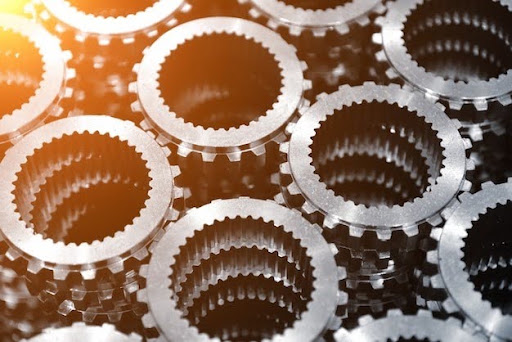
Finding the right precision gear manufacturing company is one of the most important decisions an engineering or procurement team can make. Gears may be small components in the grand scheme of a machine, but their accuracy and durability directly influence how well an entire system performs. A poor choice of supplier can result in noisy operation, excessive wear, missed tolerances, or complete mechanical failure down the line. Here’s a practical breakdown of the key factors worth evaluating.
1. Machining Capabilities
Start by looking closely at the equipment a manufacturer has on hand. A capable precision gear manufacturing company should operate modern CNC hobbing, shaping, and grinding machines that can consistently hold tight tolerances across production runs.
Ask whether they can produce the specific gear styles you need, spur, helical, bevel, worm, or planetary, and request examples of past work in similar configurations. Outdated or limited equipment often translates into inconsistent results.
2. Material Knowledge
Gear performance depends heavily on the material used, and a strong manufacturer will guide you toward the right choice rather than simply following instructions blindly. When selecting a precision gear manufacturing company, pay close attention to how well they understand different materials, whether it’s alloy steel, stainless steel, bronze, or engineered plastic, and how each responds to load, temperature, and friction.
This kind of material expertise is a hallmark of an experienced precision gear manufacturing company and can prevent costly failures caused by poor material-application matching.
3. Quality Assurance Systems
Tight tolerances mean little without a system to verify them. Reliable manufacturers use coordinate measuring machines, gear analyzers, and other inspection tools to confirm that every batch meets specification.
Certifications such as ISO 9001, and AS9100 for aerospace work, are strong indicators of a disciplined quality culture. Don’t hesitate to request inspection reports or sample data before placing a large order.
4. Proven Industry Experience
A company’s track record speaks volumes. Manufacturers with years of experience serving industries like automotive, aerospace, or heavy machinery tend to understand application-specific challenges better than newer or more generalized shops.
Look for client testimonials, published case studies, or references you can contact directly to confirm consistent performance over time.
5. Engineering and Custom Support
Many gear projects call for custom solutions rather than standard catalog parts. The best manufacturers provide engineering assistance, including prototyping, reverse engineering, and design-for-manufacturability feedback.
This collaborative relationship ensures your final product is optimized for performance rather than forced to fit an existing template.
6. Production Flexibility and Lead Times
Timelines matter just as much as quality. Ask potential suppliers about typical turnaround for prototypes versus full production batches, and whether they can scale output as your order volume grows.
A manufacturer that adapts to shifting demands is a far more valuable long-term partner than one locked into rigid processes.
Final Thoughts
Choosing a gear manufacturing partner requires more than a quick price comparison, it demands a close look at capabilities, materials, quality systems, and engineering support. Taking the time to evaluate these factors upfront will help ensure long-term reliability and performance in your mechanical systems.